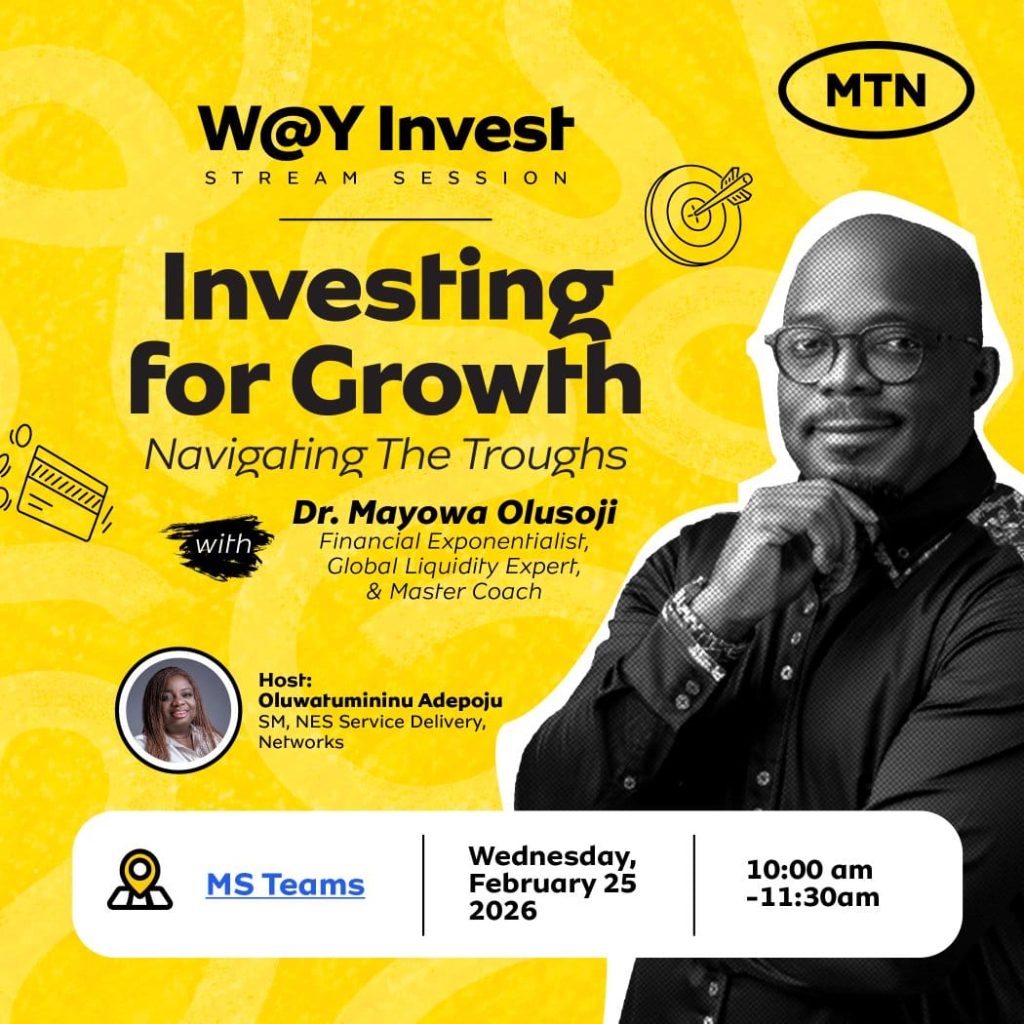
Hey there,
Welcome to this week’s financial wisdom with your guide, CoachMO!
Today, we’re diving into the Stock Market, what it is, how it works, why it matters, and how you can start understanding it as a beginner. Think of this as your friendly guide to a topic that might seem intimidating but is within your reach. Let’s break it down!
What is the Stock Market?
Imagine a huge marketplace, like a farmer’s market, but instead of buying apples or handmade crafts, people are buying and selling tiny pieces of companies. These pieces are called stocks (or shares). When you buy a stock, you’re buying a small part of a company, like Apple, Tesla, or even a local business that’s “public” (meaning its shares are available for anyone to buy).
The stock market is where these trades happen. It’s a system that connects buyers and sellers, usually through a digital platform, so people can trade stocks easily.
A Short History of the Stock Market
The stock market isn’t new at all, it’s been around for centuries!
• 1600s: The first stock market started in Amsterdam when the Dutch East India Company began selling shares to fund its trading voyages. People could buy a piece of the company’s profits from the spice trade.
• 1792: In the U.S., the New York Stock Exchange (NYSE) was born when traders signed an agreement under a tree on Wall Street. It’s still one of the biggest markets today!
• 1800s–1900s: Stock markets grew as railroads, factories, and big businesses needed money. Exchanges popped up worldwide, from London to Tokyo.
• Today: Technology has made trading instant. You can buy stocks from your phone, and markets are global, connected 24/7.
How Does the Stock Market Work?
Here’s the simple version:
• Companies Sell Shares: When a company wants to grow (say, to build new factories or create new products), it can sell shares to raise money. These shares are first sold in something called an Initial Public Offering (IPO).
• People Buy and Sell: After the IPO, those shares are traded on the stock market. If you think a company is going to do well, you might buy its stock. If you think it’s not a good bet anymore, you can sell it.
• Prices Move: The price of a stock goes up or down based on how many people want to buy it (demand) versus how many want to sell it (supply). If lots of people want Tesla’s stock, the price goes up. If people are selling it, the price drops.
• Stock Exchanges Facilitate Trades: Trades happen on platforms called stock exchanges, like the New York Stock Exchange (NYSE) or Nasdaq in the U.S. These are like the “marketplace” where buyers and sellers meet.
How Many Stock Markets Are There Globally?
Stock exchanges are specific platforms or places where stocks are traded. Think of them as organised markets with strict rules to keep things fair and transparent. Each exchange is like a big digital trading floor where buyers and sellers meet. There are well over 60 major stock exchanges around the world! Some big ones include:
• New York Stock Exchange (NYSE) and Nasdaq (U.S.)
• London Stock Exchange (UK)
• Tokyo Stock Exchange (Japan)
• Shanghai Stock Exchange (China)
• BSE (Bombay Stock Exchange) (India)
Each country often has its own stock market, and they work together to make up the global stock market system. Some are huge, like the NYSE, while others are smaller and focus on local companies.
Why Do We Need Stock Markets?
Stock markets are super important for a few reasons:
• They Help Companies Grow: By selling shares, companies get money to hire people, build products, or expand.
• They Let People Build Wealth: When you buy a stock and the company does well, the stock’s value can grow, and you might make money. Plus, some companies pay dividends (a small share of their profits) to shareholders.
• They Keep the Economy Moving: Stock markets let money flow between people, companies, and investors, which helps businesses thrive and creates jobs.
Without stock markets, it’d be much harder for companies to grow or for regular people like you and me to invest in them!
Who Owns Stock Markets?
Stock exchanges are often companies themselves! For example:
• The NYSE is owned by a company called Intercontinental Exchange (ICE).
• The Nasdaq is its own publicly traded company (yep, you can buy Nasdaq stock on the Nasdaq!).
These exchanges are regulated by governments to make sure trading is fair and transparent. They’re not owned by one person but by shareholders, just like other public companies.
How Do Stock Exchanges Make Money?
Stock exchanges make money in a few ways:
• Trading Fees: They charge small fees every time someone buys or sells a stock.
• Listing Fees: Companies pay to have their stocks listed on the exchange (like a membership fee to be part of the marketplace).
• Data Sales: Exchanges sell information about stock prices and trading activity to investors, banks, and apps.
These fees add up, especially when millions of trades happen every day!
What Happens When People Buy and Sell Stocks?
When you buy a stock, you’re purchasing it from someone who’s selling it. The stock exchange matches you with a seller, and the trade happens almost instantly thanks to computers.
Here’s a key question: Will there always be someone to buy every stock that’s being sold?
• Usually, yes: Stock markets are designed to have lots of buyers and sellers. For popular stocks (like Apple or Amazon), there are almost always people ready to buy or sell, so trades happen smoothly.
• But sometimes, no: For smaller or less popular companies, there might not be many buyers or sellers at a given moment. This can make it harder to sell your stock quickly or at the price you want. This is called low liquidity.
• Market Makers Help: To keep things moving, some exchanges use market makers companies that agree to buy or sell stocks to ensure there’s always a trade available, even for less popular stocks.
The system isn’t perfect, but it’s built to make sure trades can happen as smoothly as possible.
How Does the Stock Market Compare to Other Investments?
To understand if stocks are right for you, let’s compare them to other asset classes (types of investments): bonds, commodities, and real estate. Here’s a beginner-friendly breakdown:
Stocks
What are they? Shares of companies.
• Returns: Historically, stocks return 7-10% per year on average (after inflation), but it’s bumpy some years; you might gain 20%, others lose 10%.
• Risk: Medium to high. Prices can swing daily due to news, earnings reports, or global events.
• Pros: High growth potential, easy to start with small amounts, very liquid (easy to sell).
• Cons: Can be stressful during market drops; requires patience.
• Example: Buying shares of Nike or Disney.
Bonds
What are they? Loans you give to companies or governments, and they pay you interest.
• Returns: About 2-5% per year, depending on the bond. More stable than stocks.
• Risk: Low. You’re likely to get your money back plus interest, unless the issuer goes bankrupt (rare for governments).
• Pros: Predictable income, safer during market crashes.
• Cons: Lower returns, less growth over time.
• Example: Buying a U.S. Treasury bond or a corporate bond from IBM.
Commodities
What are they? Physical goods like gold, oil, wheat, or silver.
• Returns: Vary widely, gold might jump 15% one year, drop 10% the next. No steady “average” return.
• Risk: High. Prices swing due to weather, politics, or global demand.
• Pros: Can hedge against inflation (gold often rises when stocks fall).
• Cons: Hard to store or trade physical goods; requires knowledge.
• Example: Investing in gold bars or oil futures.
Real Estate
What are they? Property like houses, apartments, or commercial buildings.
• Returns: About 5-8% per year through rent or property value growth, plus tax benefits.
• Risk: Medium. Property values can drop, and managing tenants is work.
• Pros: Tangible asset, steady rental income, good long-term growth.
• Cons: Requires a lot of money upfront, less liquid (takes time to sell).
• Example: Buying a rental property or investing in a Real Estate Investment Trust (REIT).
Note: Stocks offer the best long-term growth but come with ups and downs. Bonds are safer but grow slowly. Commodities are volatile and niche. Real estate is great but, needs more cash and effort. A smart move is diversification mixing stocks, bonds, and maybe real estate to balance risk and reward.
CoachMO’s Key Takeaways
The stock market can seem like a big, scary place, but it’s just a way to invest in companies you believe in. Here are my top takeaways:
• The Stock Market is a Tool: It’s a way for companies to grow and for you to build wealth over time.
• You Don’t Need to Be Rich: You can start investing with small amounts, thanks to apps that let you buy “fractional shares” (a piece of a stock).
• It’s Not Gambling: Investing isn’t about getting rich quick. It’s about researching companies and holding onto stocks for the long term.
• Risk is Real: Stock prices can go up and down. Never invest money you can’t afford to lose.
• Think Long-Term: Stocks can be a rollercoaster, but they’ve historically grown over decades. Don’t panic during dips!
• Spread Your Money: Don’t put it all in one stock or even just stocks. A mix of investments keeps you safer.
• Knowledge is Power: The more you learn about the market, the better your decisions. Start small and grow your skills.
• Patience Pays: Investing is a marathon, not a sprint. Let your money grow over time.
That’s a wrap for this week, Money Mavens! The stock market is your gateway to building wealth, and you’re already taking the first step by learning.
Got questions? I will be glad to explain further, I’m here to help you make sense of your money.
Follow me on all social media platforms and be the first to listen to my Podcast on Spotify for more Financial Insight https://linktr.ee/info.coachmo
Until next time,
CoachMO